Cameroon Report

Trade minister urges investment as exports rise, EU rules tighten market access
Cameroon Launches 2026 Coffee Season With Push for Local Processing

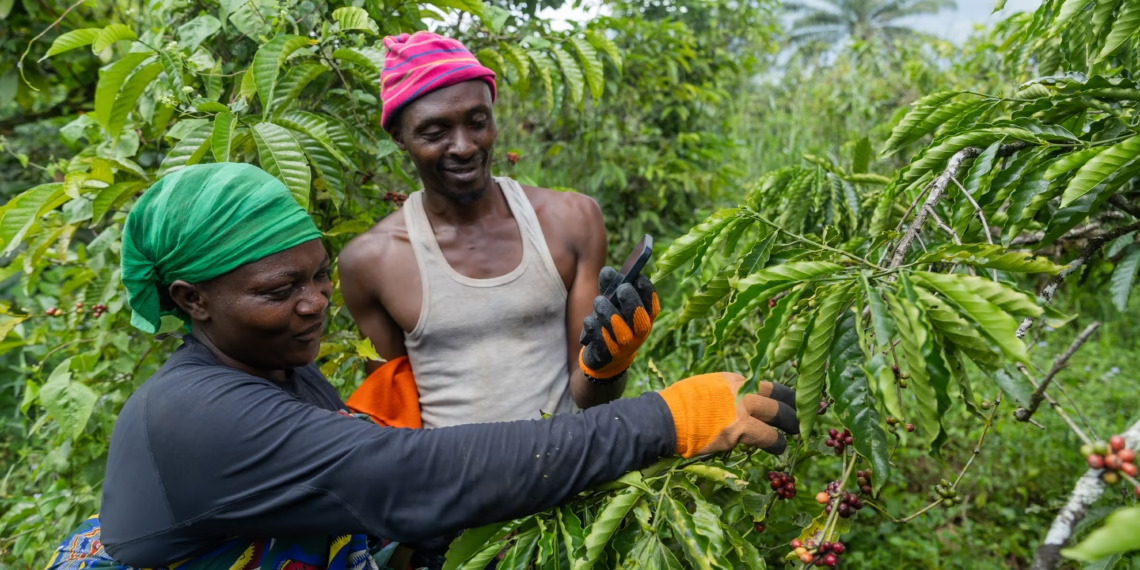
Cameroon opened its 2025–26 coffee season on Jan. 16 in the village of Baditoum, East Region, where officials called for more local processing to increase production and boost domestic consumption.

Presiding over the ceremony, Trade Minister Luc Magloire Mbarga Atangana called on industry actors to “step up efforts on local processing,” encouraging broader mobilization of human, material and financial resources, according to the National Cocoa and Coffee Board (ONCC).

The event brought together coffee growers, exporters, cooperatives and public officials, including Civil Service Minister Joseph Le and Agriculture Minister Gabriel Mbairobe.
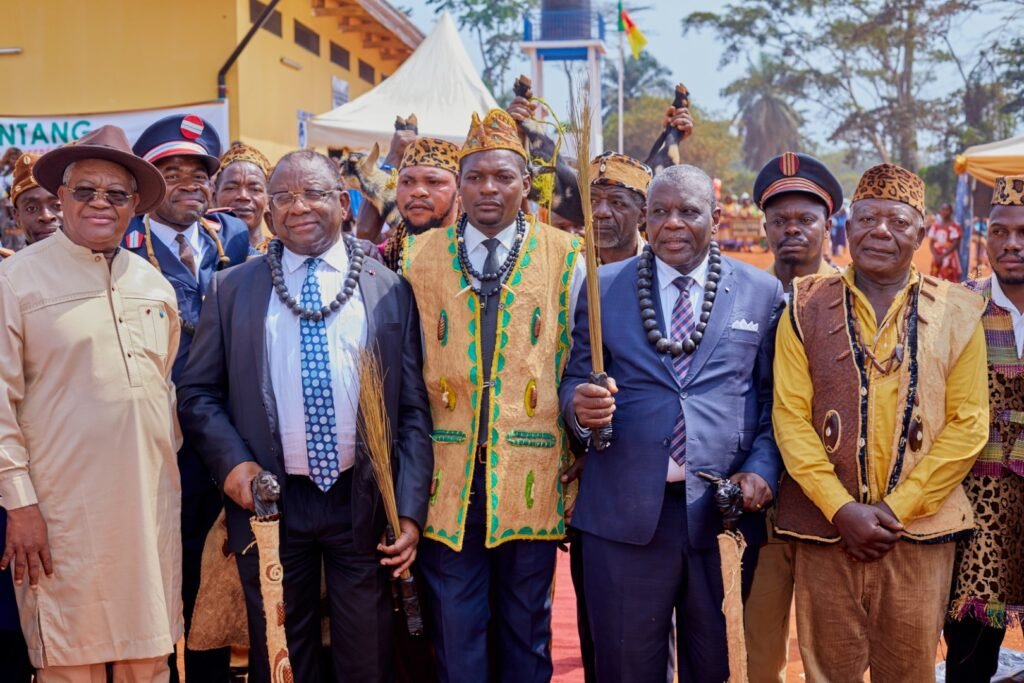
Campagne caféière

It was hosted in Doumaintang district, Haut-Nyong department, where Mayor Honoré Koumé called the occasion “a long-held vision [that] has become a reality.”

Recent figures highlight sector momentum. Arabica exports rose 64% in the latest campaign, with contract execution at 84.47%. Total output in the 2024–25 season reached 11,637 tons. Farmgate prices ranged from 2,500 to 3,500 CFA francs per kilogram ($4.15–$5.85) for arabica and from 1,300 to 2,500 CFA francs ($2.15–$4.15) for robusta, according to ONCC data.

Authorities emphasized compliance with the European Union Deforestation Regulation, which is tightening sustainability and traceability rules for EU market access. Officials said Cameroon’s coffee now meets international standards.

The government also unveiled a new Center of Excellence in Baditoum, featuring a fermentation room and drying area to improve quality. Ministers toured the site and expressed satisfaction with the facilities.

Cameroon ranks among Africa’s top coffee producers, led by robusta, with arabica grown in highland zones.

Popular Stories

Trade minister urges investment as exports rise, EU rules tighten market access
Cameroon Launches 2026 Coffee Season With Push for Local Processing

Cameroon opened its 2025–26 coffee season on Jan. 16 in the village of Baditoum, East Region, where officials called for more local processing to increase production and boost domestic consumption.

Presiding over the ceremony, Trade Minister Luc Magloire Mbarga Atangana called on industry actors to “step up efforts on local processing,” encouraging broader mobilization of human, material and financial resources, according to the National Cocoa and Coffee Board (ONCC).

The event brought together coffee growers, exporters, cooperatives and public officials, including Civil Service Minister Joseph Le and Agriculture Minister Gabriel Mbairobe.

Campagne caféière

It was hosted in Doumaintang district, Haut-Nyong department, where Mayor Honoré Koumé called the occasion “a long-held vision [that] has become a reality.”

Recent figures highlight sector momentum. Arabica exports rose 64% in the latest campaign, with contract execution at 84.47%. Total output in the 2024–25 season reached 11,637 tons. Farmgate prices ranged from 2,500 to 3,500 CFA francs per kilogram ($4.15–$5.85) for arabica and from 1,300 to 2,500 CFA francs ($2.15–$4.15) for robusta, according to ONCC data.

Authorities emphasized compliance with the European Union Deforestation Regulation, which is tightening sustainability and traceability rules for EU market access. Officials said Cameroon’s coffee now meets international standards.

The government also unveiled a new Center of Excellence in Baditoum, featuring a fermentation room and drying area to improve quality. Ministers toured the site and expressed satisfaction with the facilities.

Cameroon ranks among Africa’s top coffee producers, led by robusta, with arabica grown in highland zones.

Related Posts